
Eight Sessions of Sumi-e: A Journey in Ink
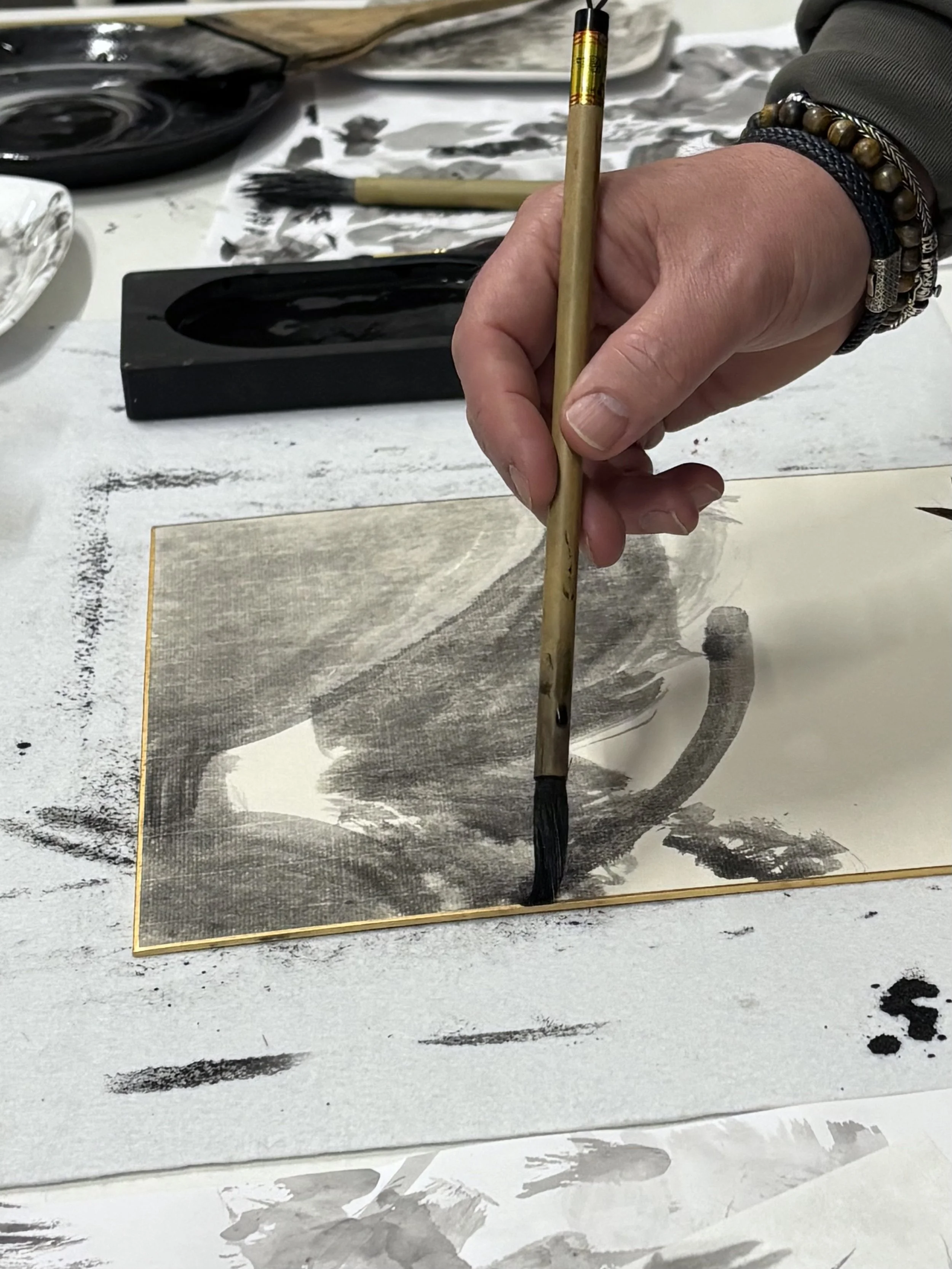
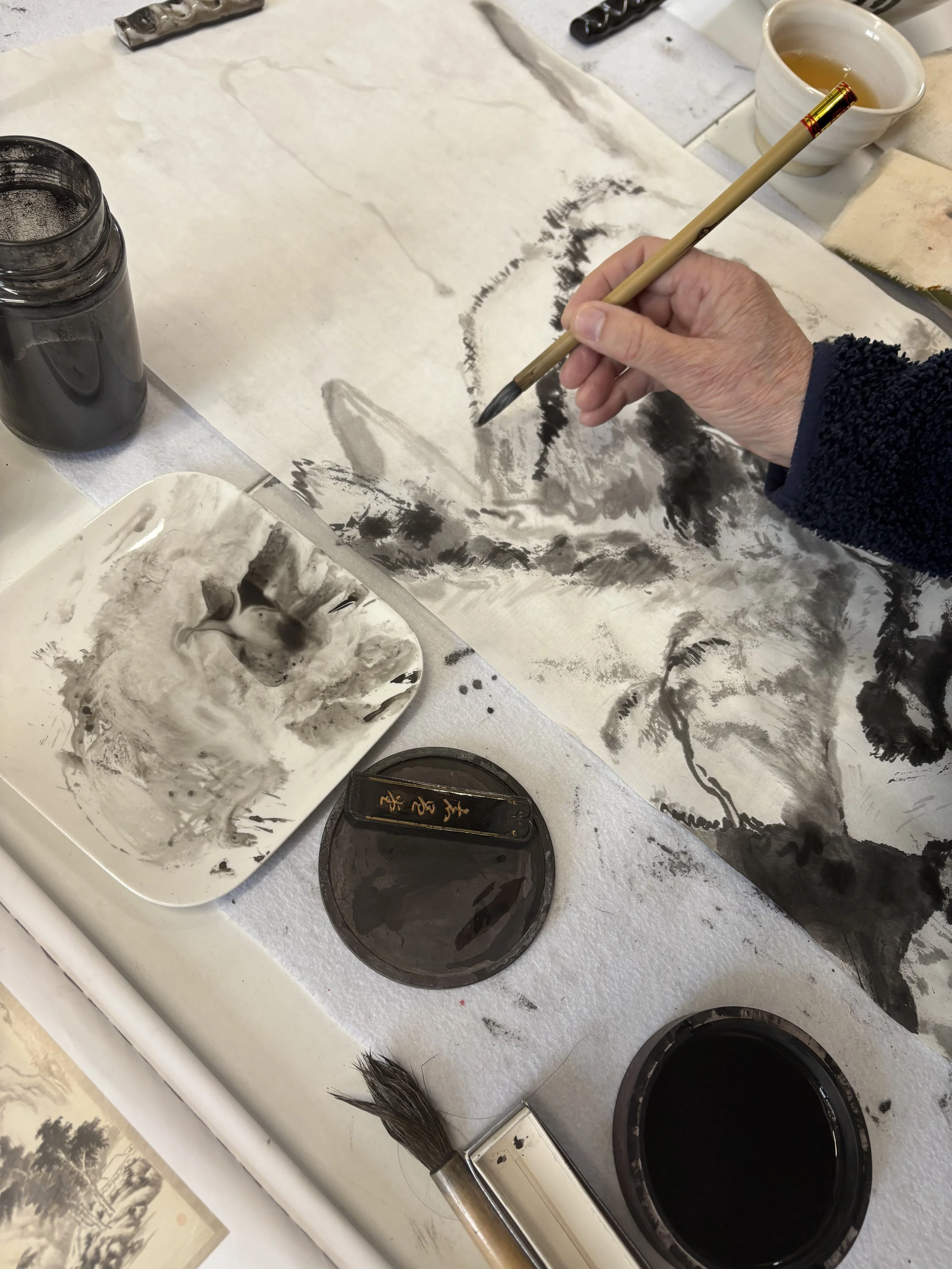
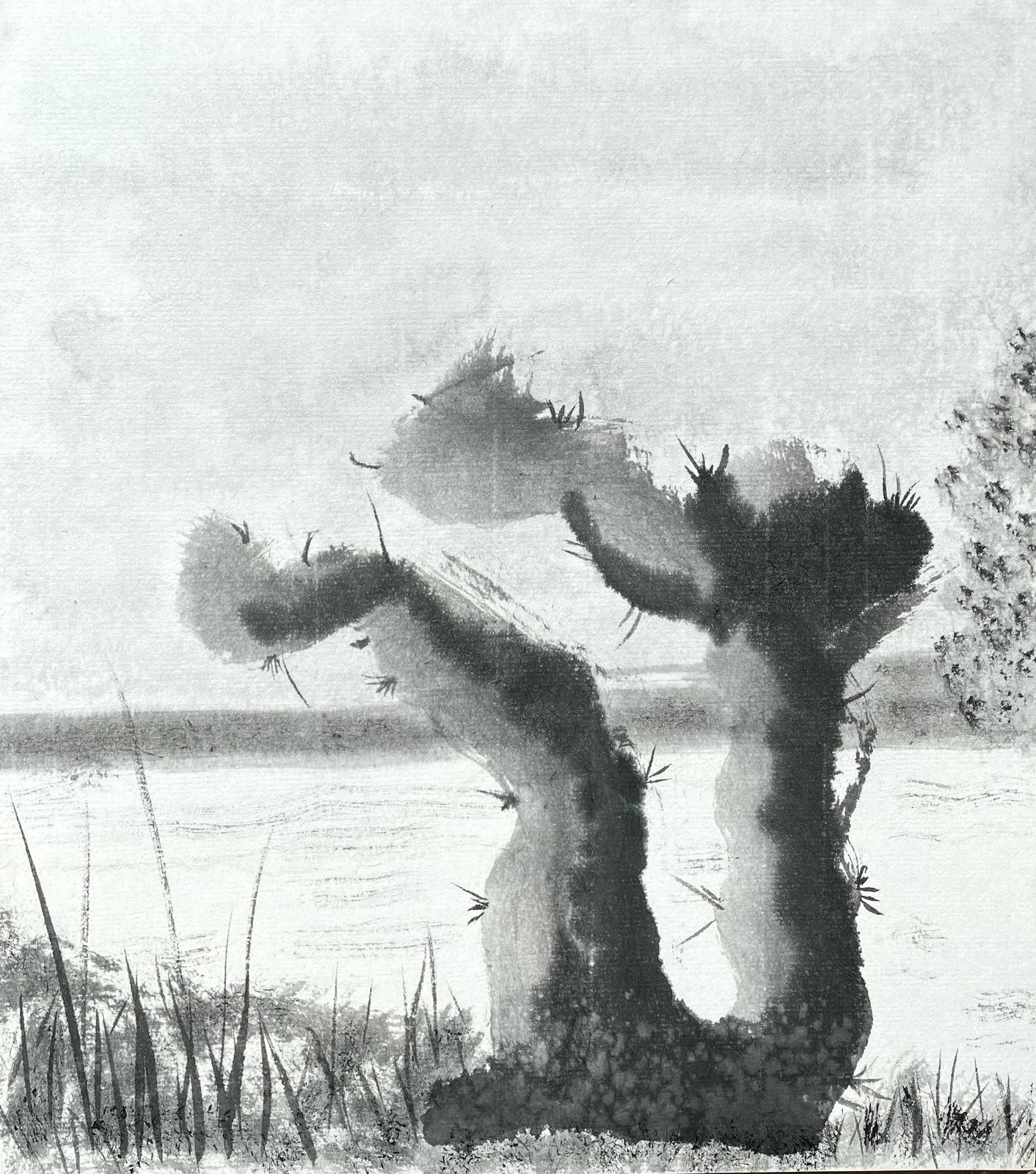
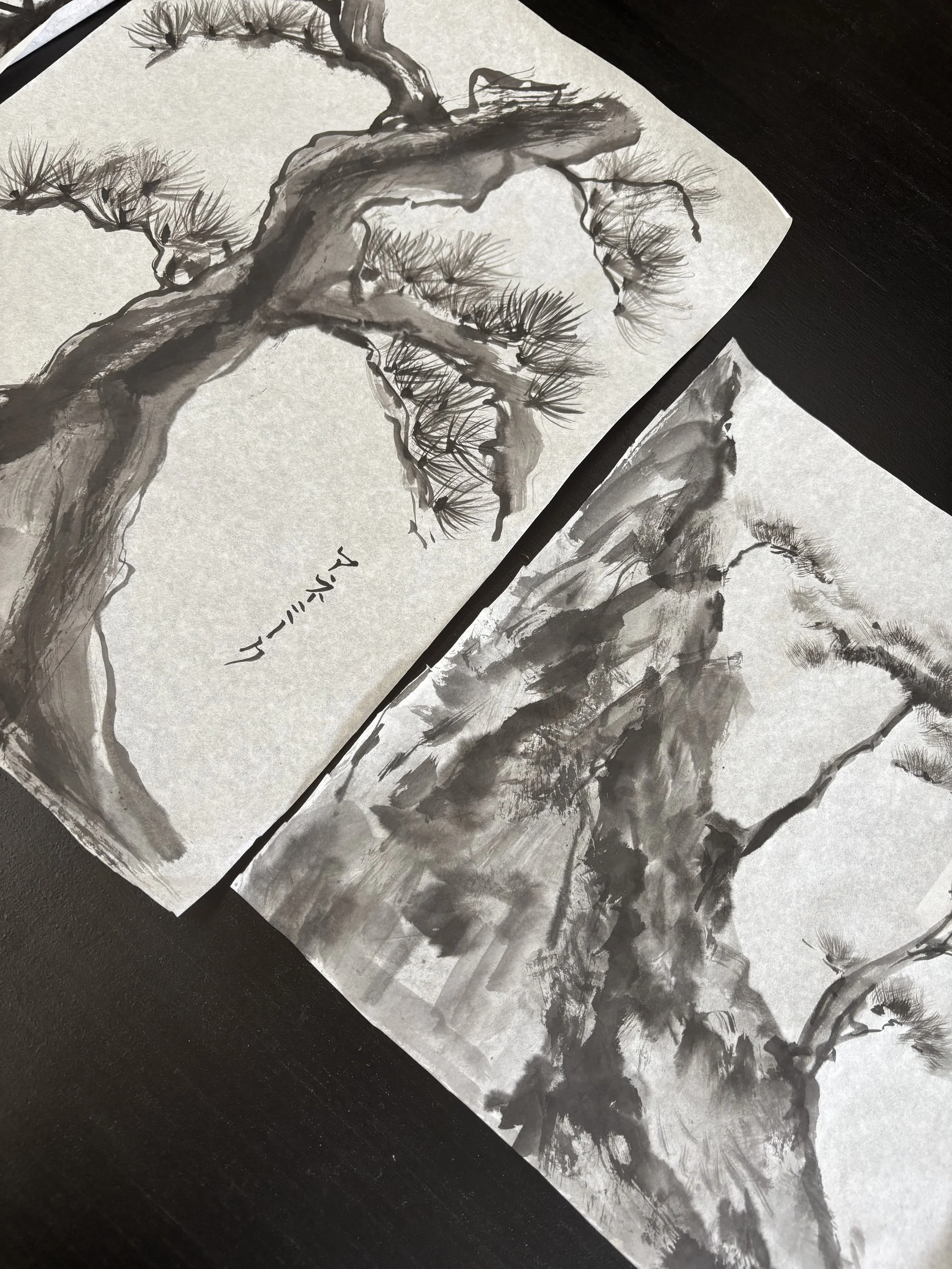
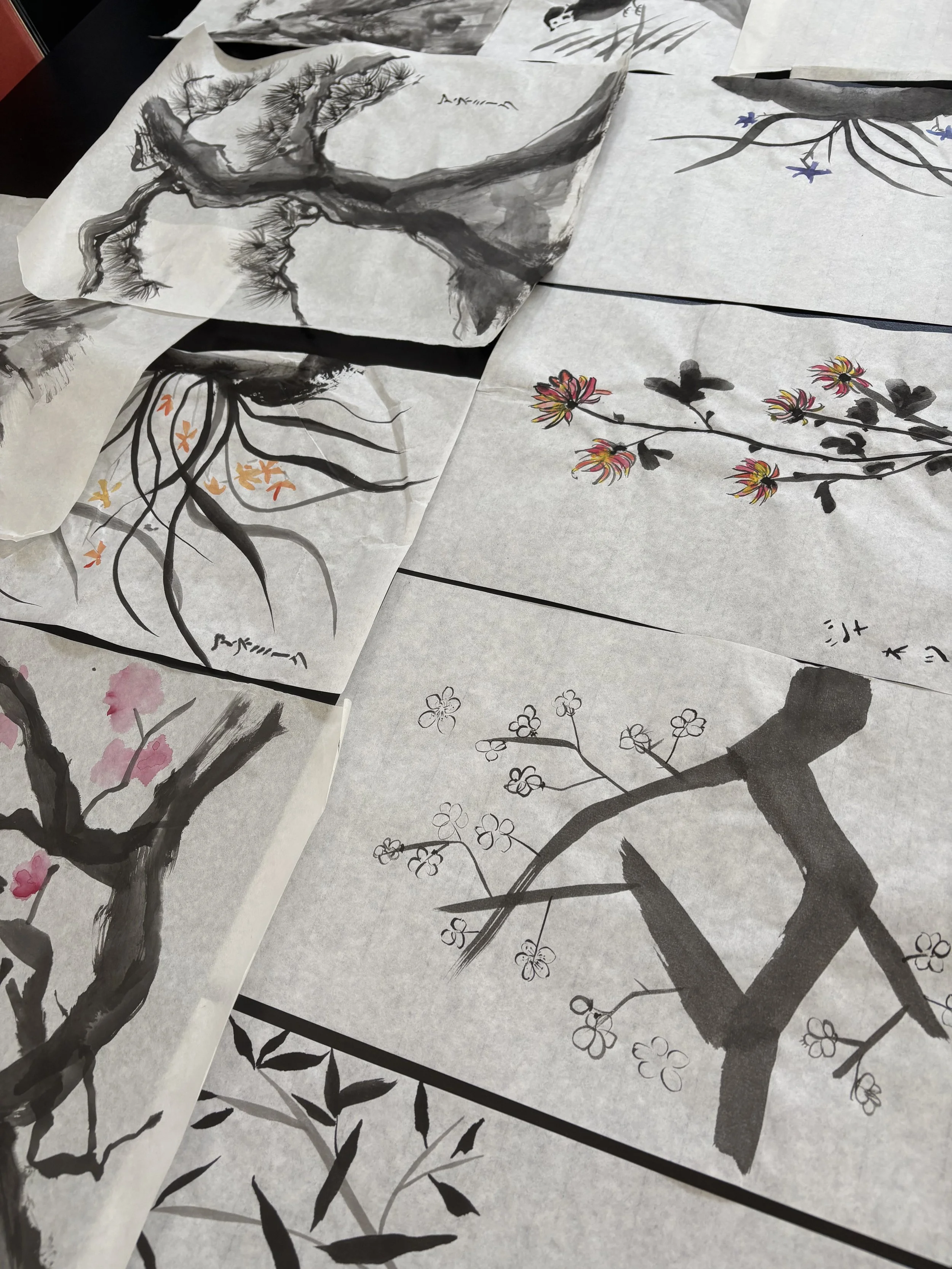
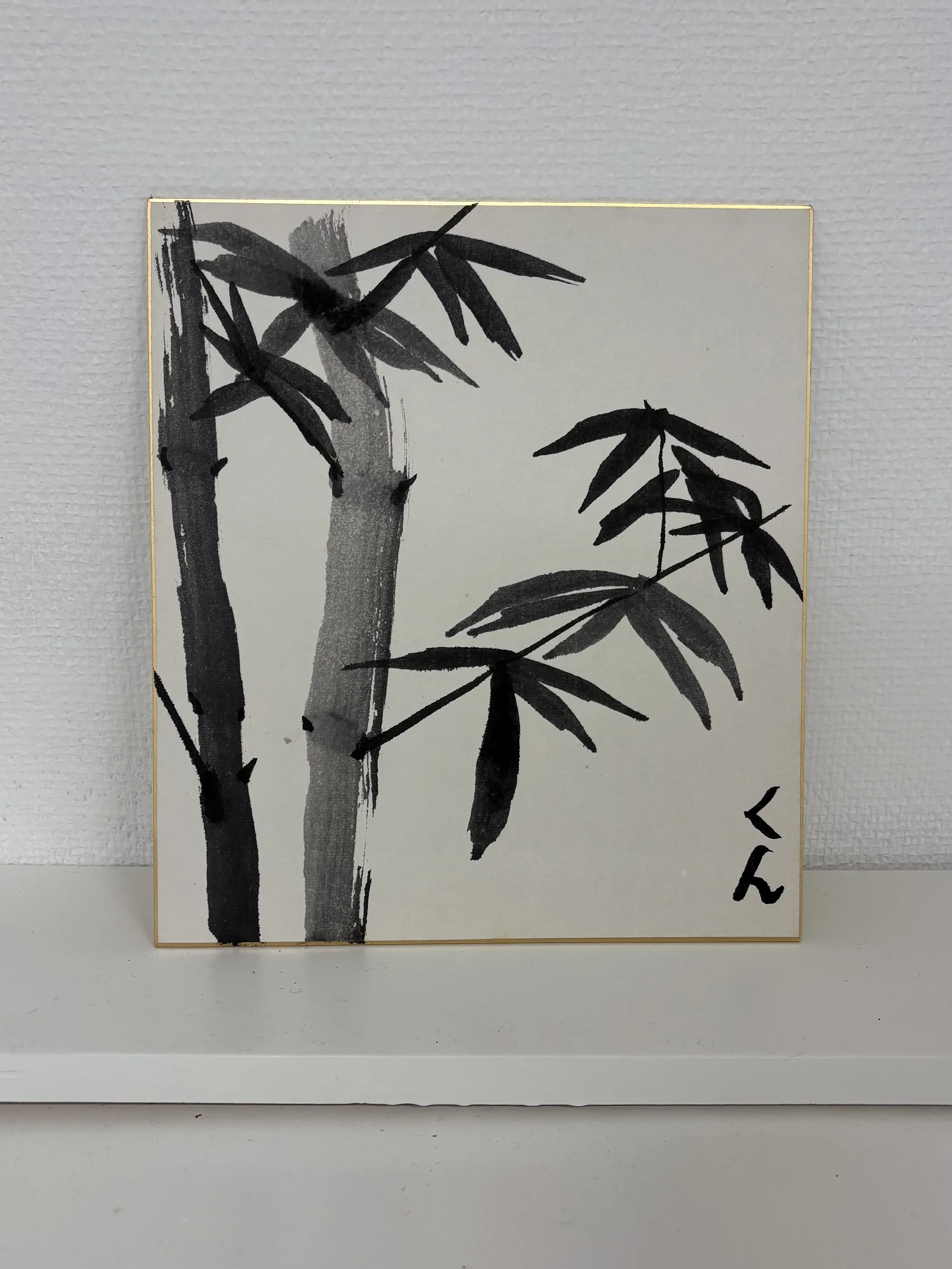
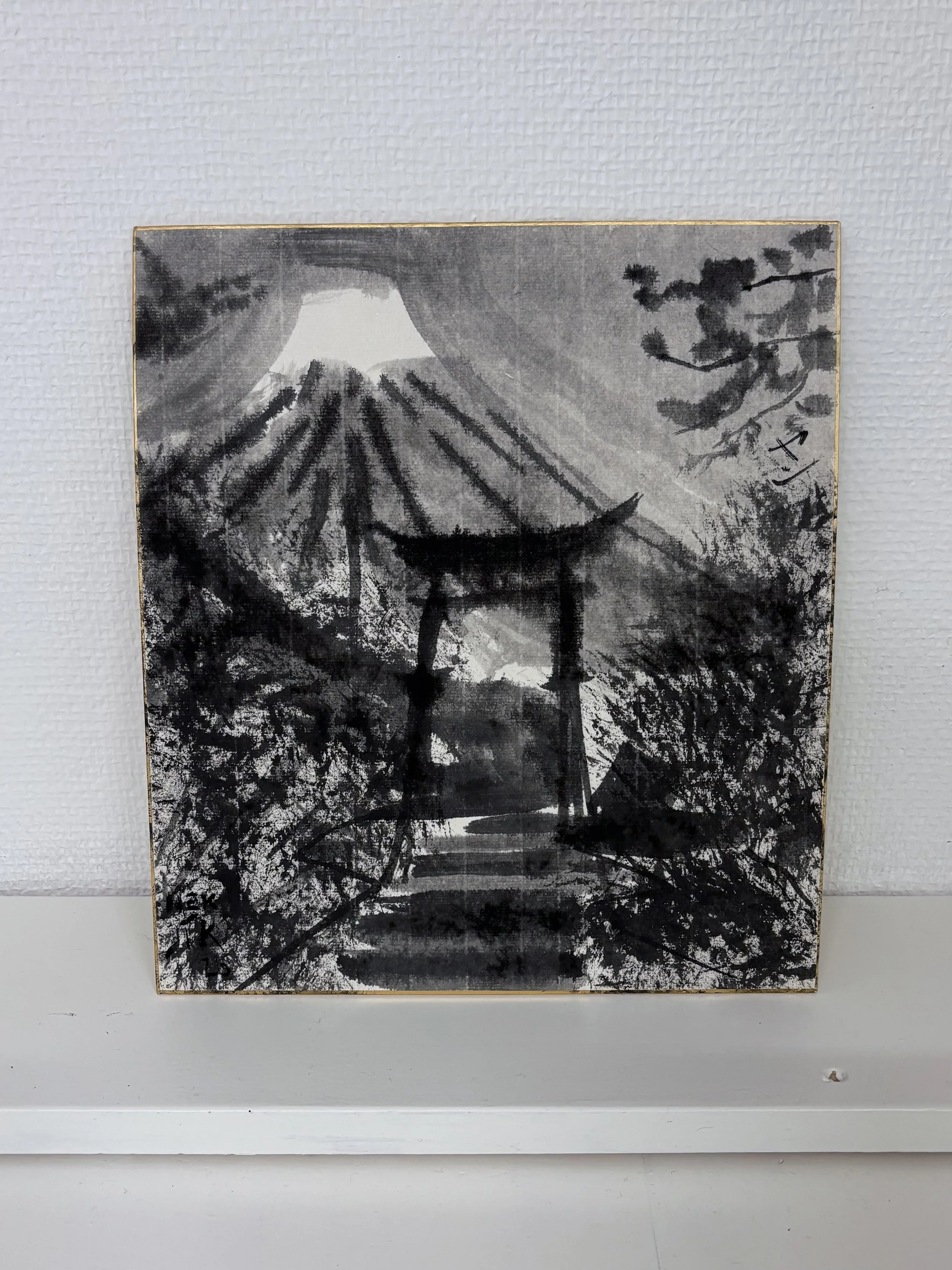
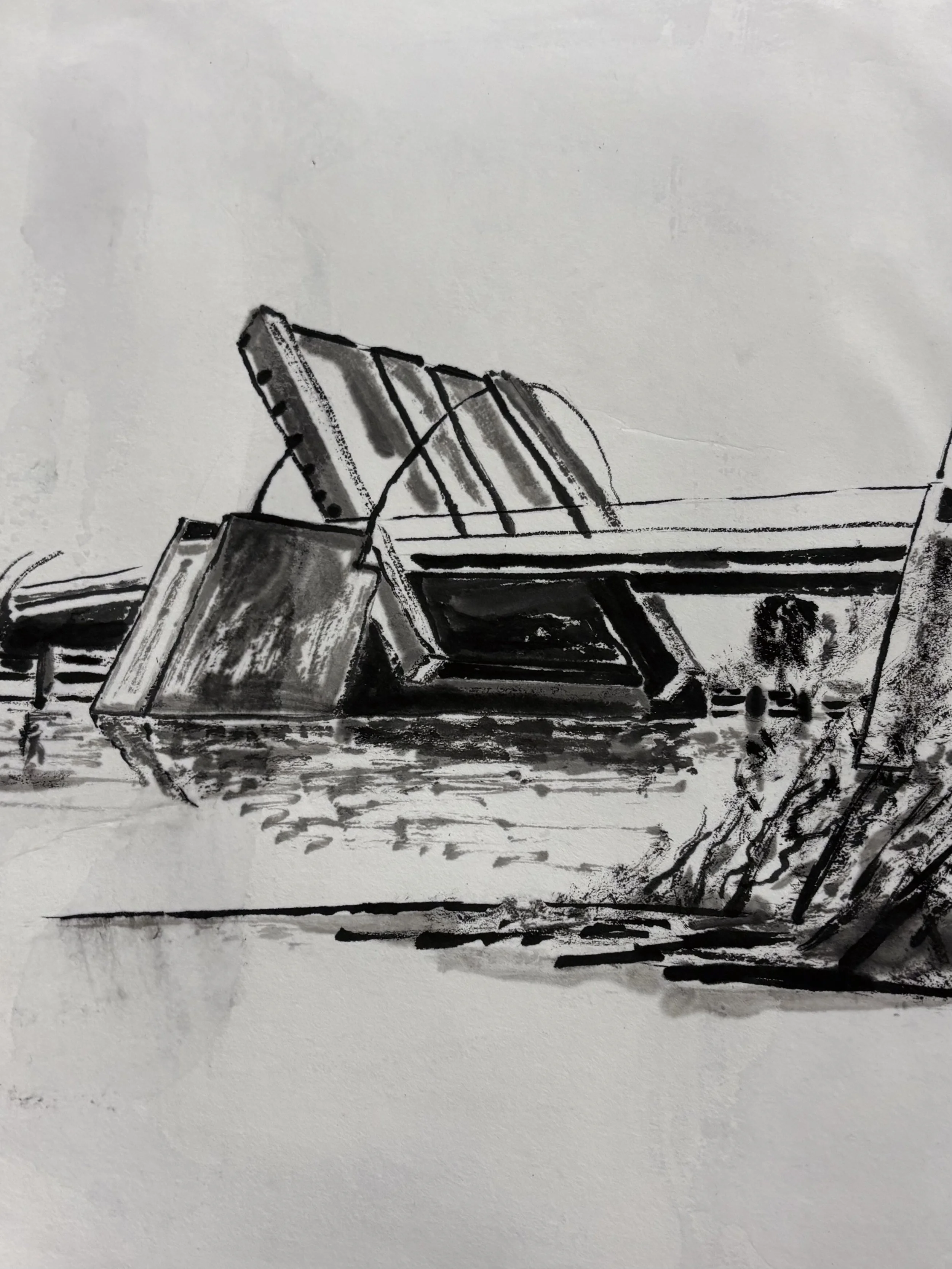
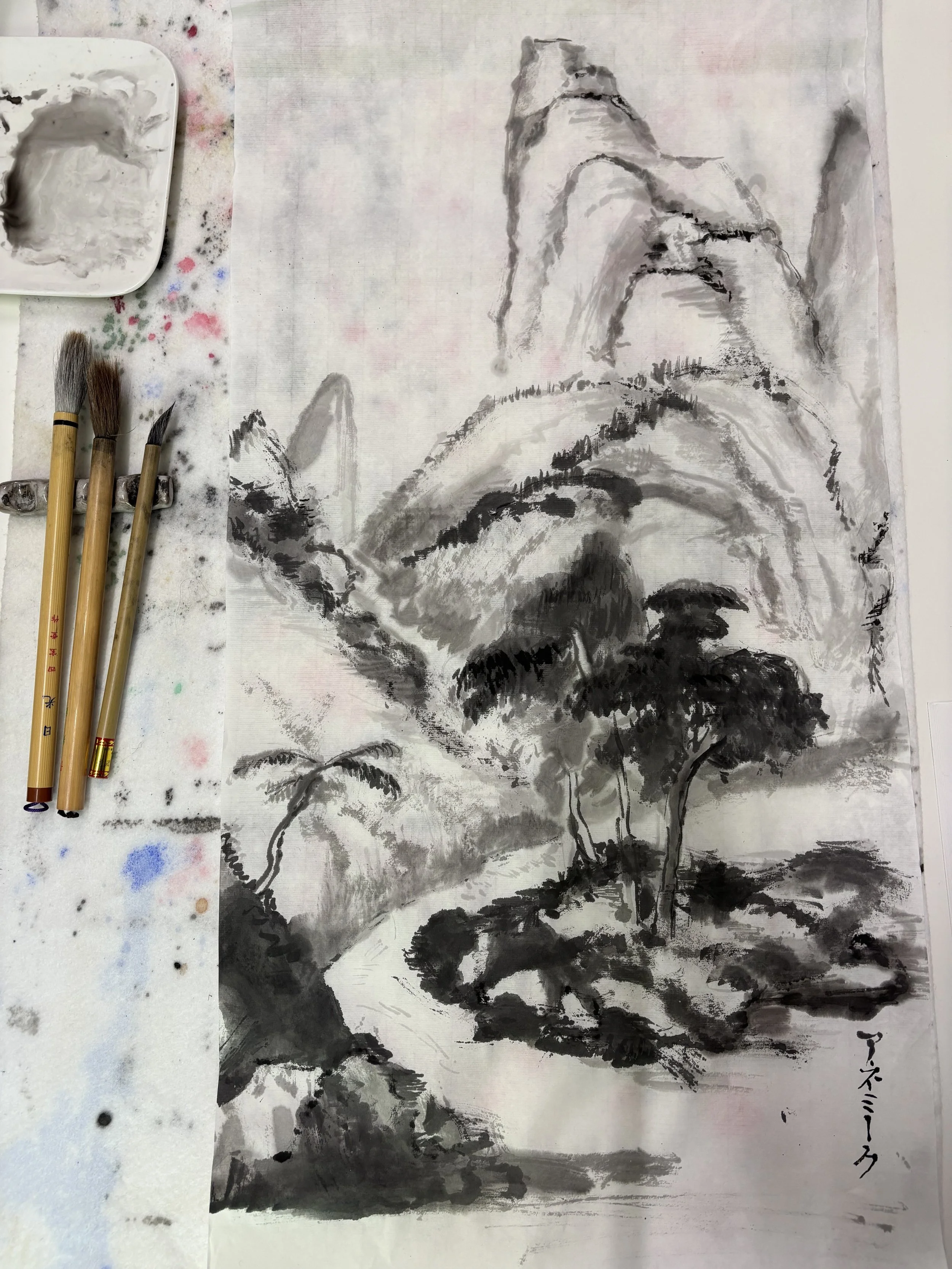
After eight sessions together, our Sumi-e course has come to a close — and what a journey it has been.
Ink wash painting — known in Chinese as 水墨画 (shuǐmòhuà), in Korean as 수묵화 (sumukhwa), and in Japanese as 墨絵 (sumi-e) or 水墨画 (suibokuga) — is a tradition of brush painting using black ink in varying concentrations, originating in China during the Tang dynasty (618–907). It was introduced to Korea shortly after its development in China, and Korean missionaries later helped bring the practice to Japan in the mid-14th century. Across all three cultures, the tradition shares the same core philosophy: capturing the spirit or essence of a subject through intentional, irreversible brushwork — each stroke a conscious act, with no possibility of correction.
Our students began exactly where the tradition demands: with the Four Noble Ones. The bamboo, wild orchid, chrysanthemum, and plum blossom are not merely subjects — the strokes used to paint these four plants form the foundation of everything in Sumi-e. Each motif carries deep symbolic meaning rooted in East Asian culture. From there, the course expanded into birds, trees, mountains, and landscape — a progression that mirrors centuries of living tradition across China, Korea, and Japan.
Watching each participant develop their own eye, sensitivity, and brushwork over these eight sessions has been deeply moving. Growth in Sumi-e is not only technical — it is a shift in how one sees and approaches the world. I am truly proud of every one of them!
What's coming next — join us
🖌 Next Sumi-e course — registration now open → Register here
🌿 One-day workshop in Amsterdam
Ink, Breath, and Gesture — Korean Ink Painting
A focused, meditative workshop exploring the Korean tradition of ink painting in a single immersive day → Find out more & book
🎋 Bamboo Training (ongoing — in development)
A dedicated exploration of bamboo, one of the most profound subjects in the ink painting tradition. Interested? Send me a message and I'll keep you informed as this takes shape.
8回のセッションを経て、墨絵コースがついに終わりを迎えました。本当に素晴らしい旅でした。
水墨画は、中国語で水墨画(shuǐmòhuà)、韓国語で수묵화(sumukhwa)、日本語では水墨画、または墨絵と呼ばれ、濃淡さまざまな墨を用いた絵画の伝統です。唐代の中国(618〜907年)に生まれ、宋代(960〜1279年)にさらに発展を遂げました。その後、14世紀に禅宗の僧侶たちによって中国から日本へと伝えられました。韓国でも同じ中国を起源とする水墨画の伝統が独自に根付いています。三つの文化に共通するのは、一つの核心的な精神です――意図的で取り消しのない筆致によって、対象の「気」や本質を捉えること。一筆一筆が意識的な行為であり、やり直しは許されません。
受講生たちはまさに伝統が求めるところ、四君子から始めました――竹、蘭、菊、梅は単なる描写の対象ではありません。これら四つの植物を描く筆法こそが、墨絵のすべての基礎となるものです。それぞれのモチーフは、東アジアの文化に深く根ざした象徴的な意味を持っています。そこからコースは鳥、木々、山、そして風景へと広がり、中国・韓国・日本にわたる何世紀もの生きた伝統の歩みをなぞるような展開となりました。
8回のセッションを通じて、一人ひとりが自分自身の目、感性、そして筆遣いを育んでいく姿を見守ることは、深く心を動かされる体験でした。墨絵における成長は、技術的なものにとどまりません――それは、世界の見方そのものの変容です。受講生全員を、心から誇りに思います!