
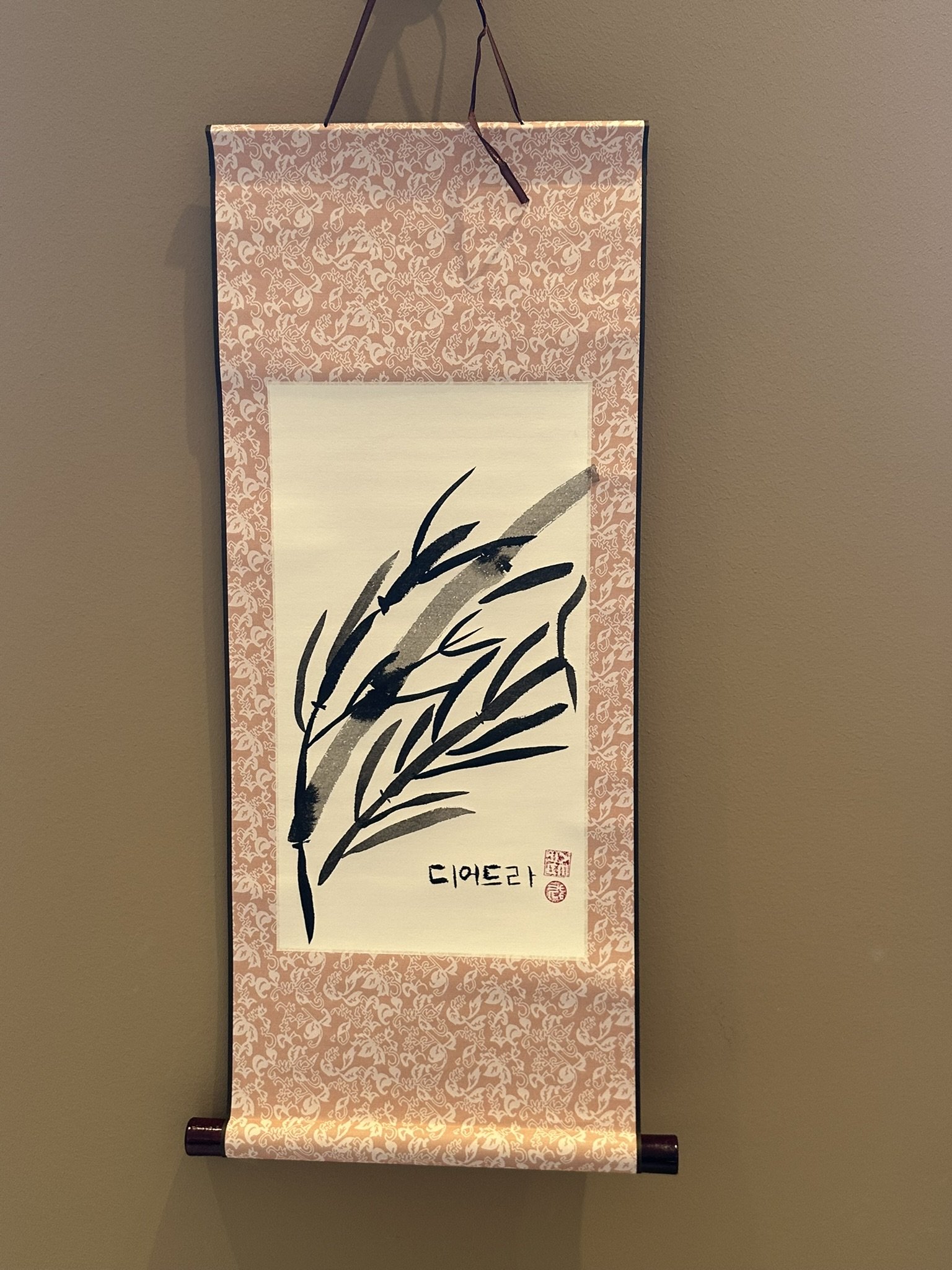
Perhaps those of you who know my sumi-e workshops were a little puzzled to hear that I would be holding a Korean ink painting workshop here in Amsterdam. But as some of you may already know, ink painting originated in China, and from there developed independently in both Korea and Japan. The foundational techniques begin with learning Chinese methods. Today, the way ancient ink painting has shaped each country, and each person, varies a great deal — but at its root, the foundation remains the same. In Europe, for simplicity, we tend to separate these into "Chinese ink painting," "Korean ink painting," and "Japanese ink painting." But really, 水墨画-ink painting is ink painting.
This time, the workshop was a collaboration with Smart Kollective, who introduce Korean culture to the Netherlands, so we approached ink painting within a Korean context. The setting was at NIO House in Amsterdam — a lively, bustling city — and in a building right at its heart, we held the workshop "Ink, Breathe, and Gesture."
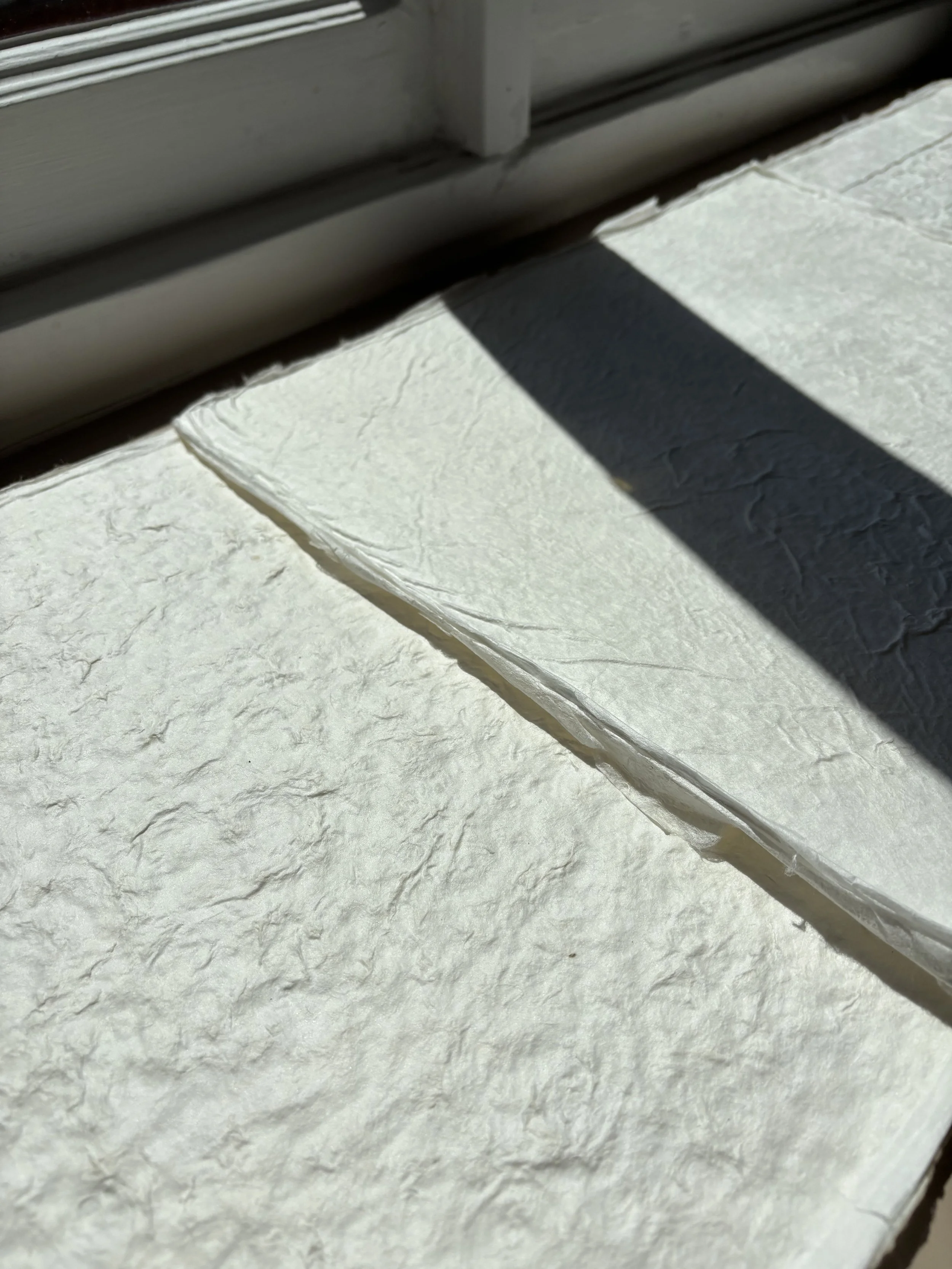
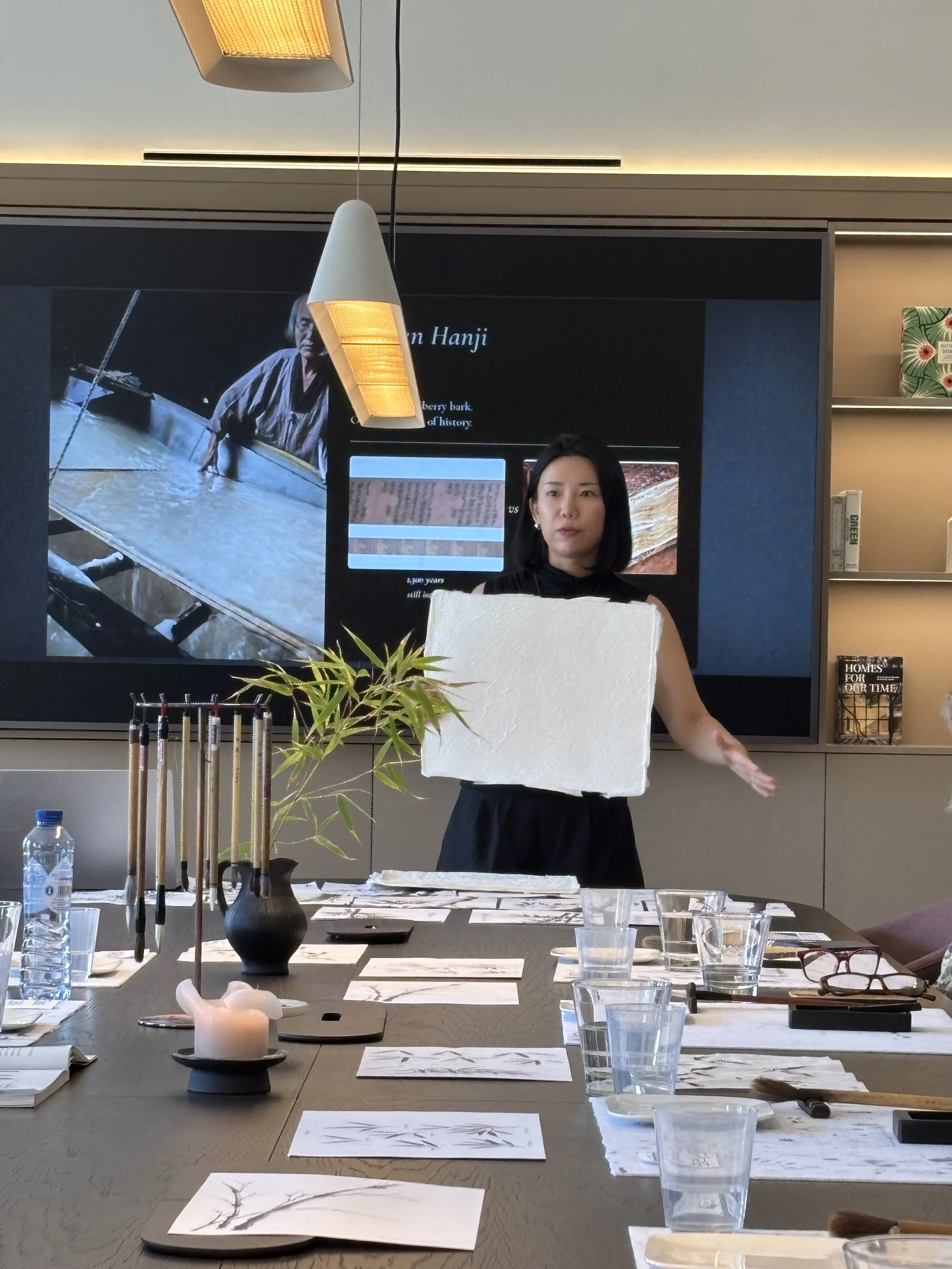
We began with a presentation by Bijou, the founder of Smart Kollective: the history of Korean ink painting, Korean paper, the differences between Chinese, Korean, and Japanese ink painting, the Korean names for the tools, and the meaning of the Four Gentlemen. She beautifully covered ground that I could never have managed to fit into a workshop on my own.
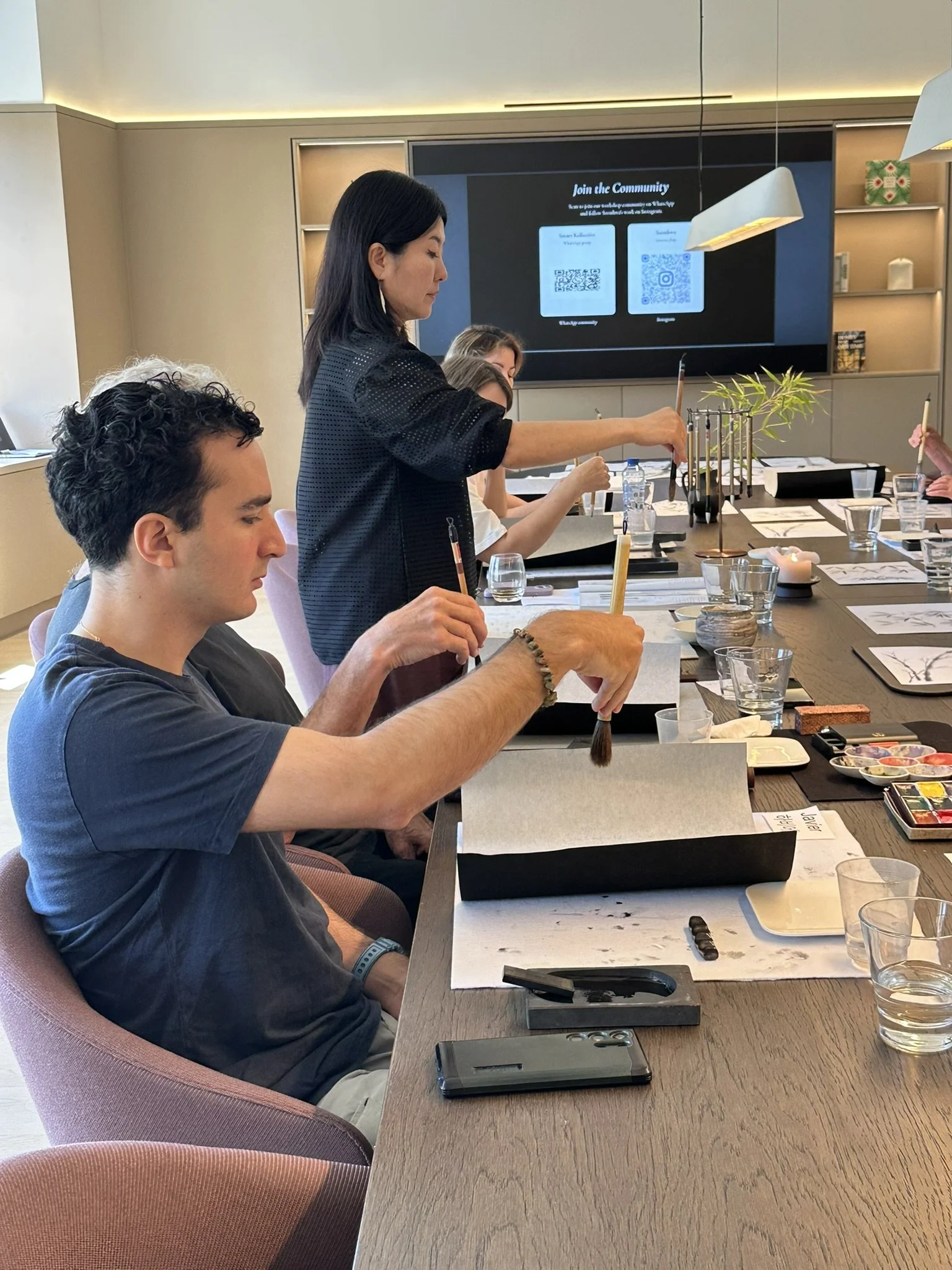
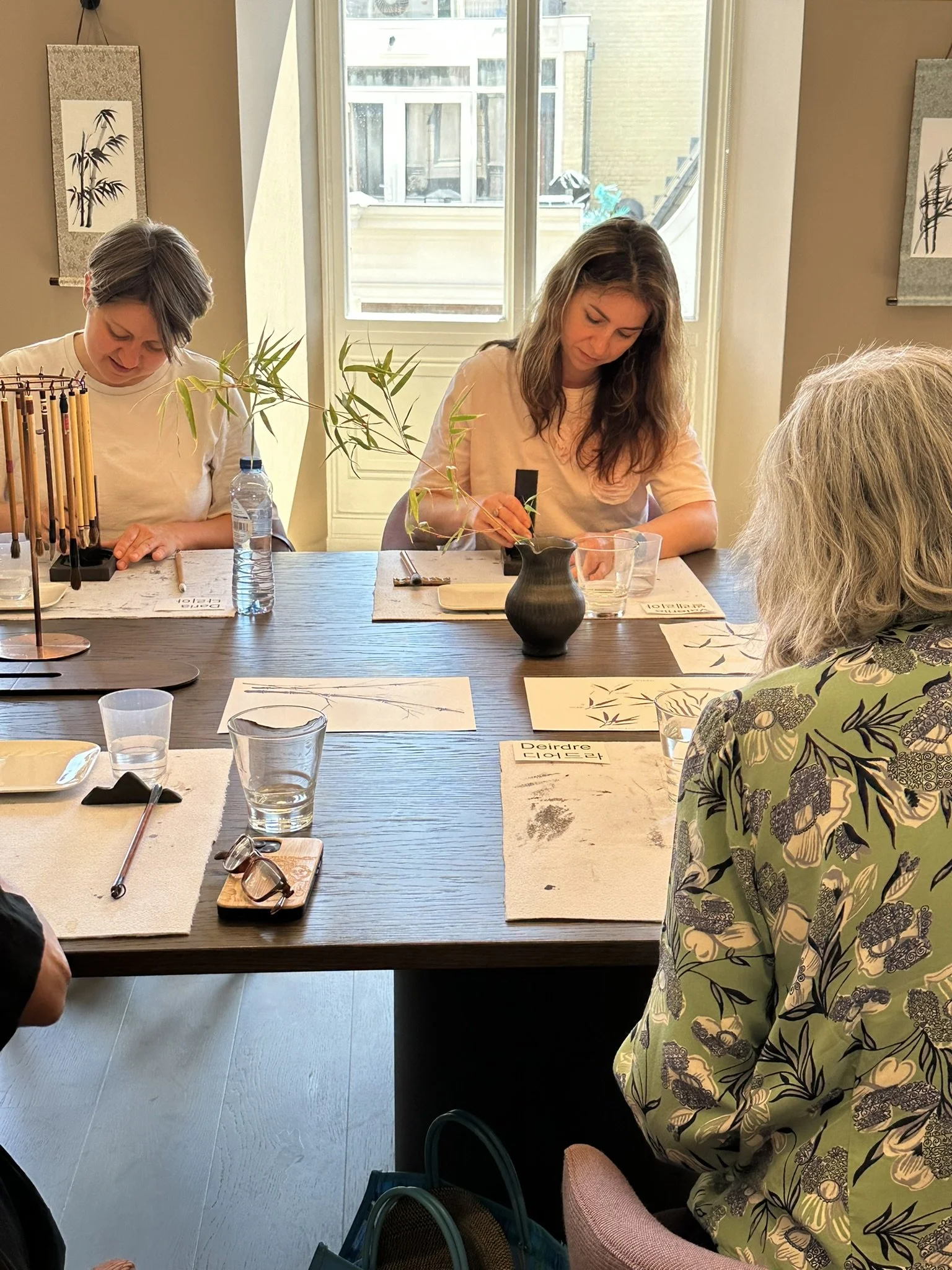
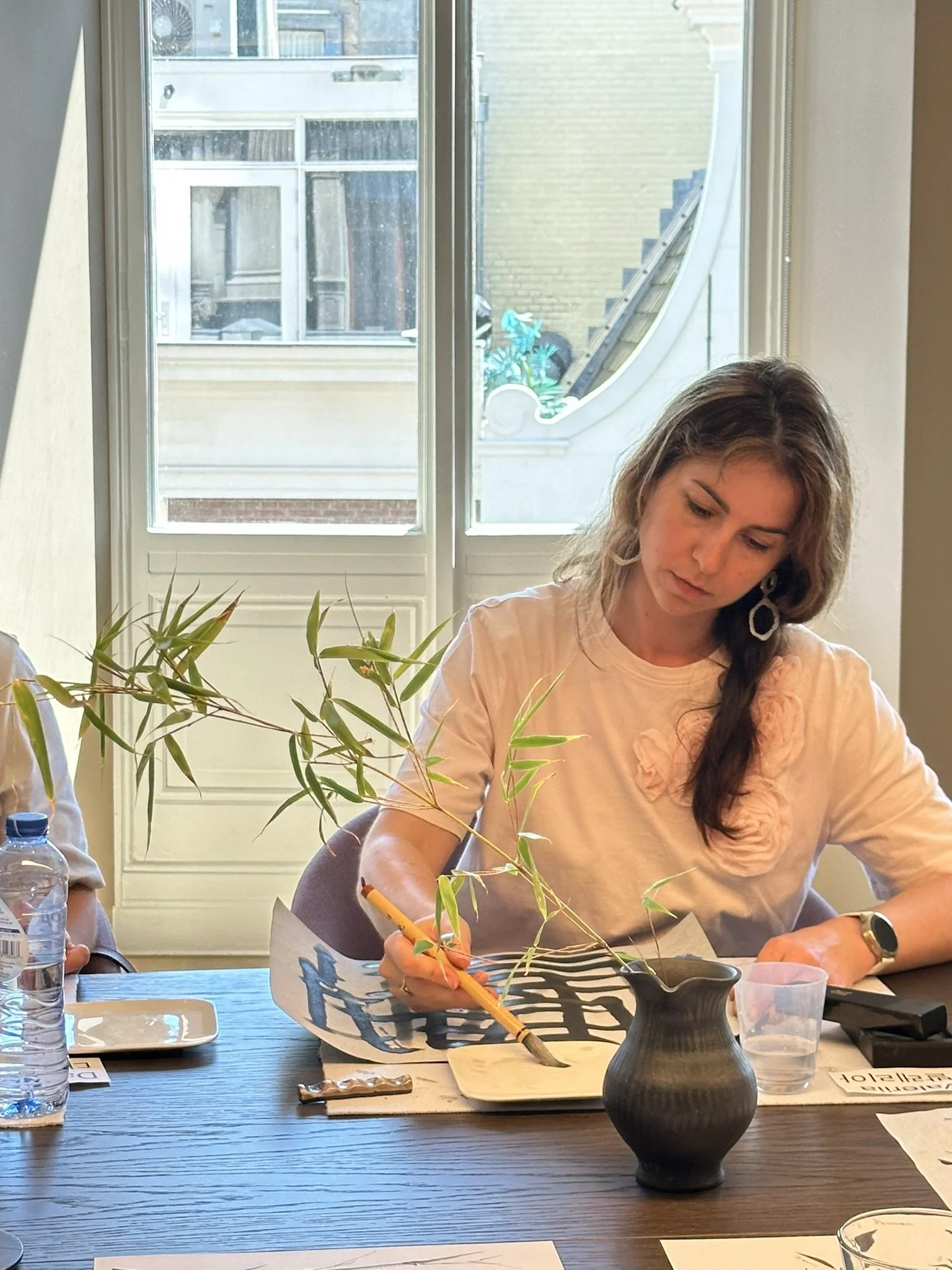
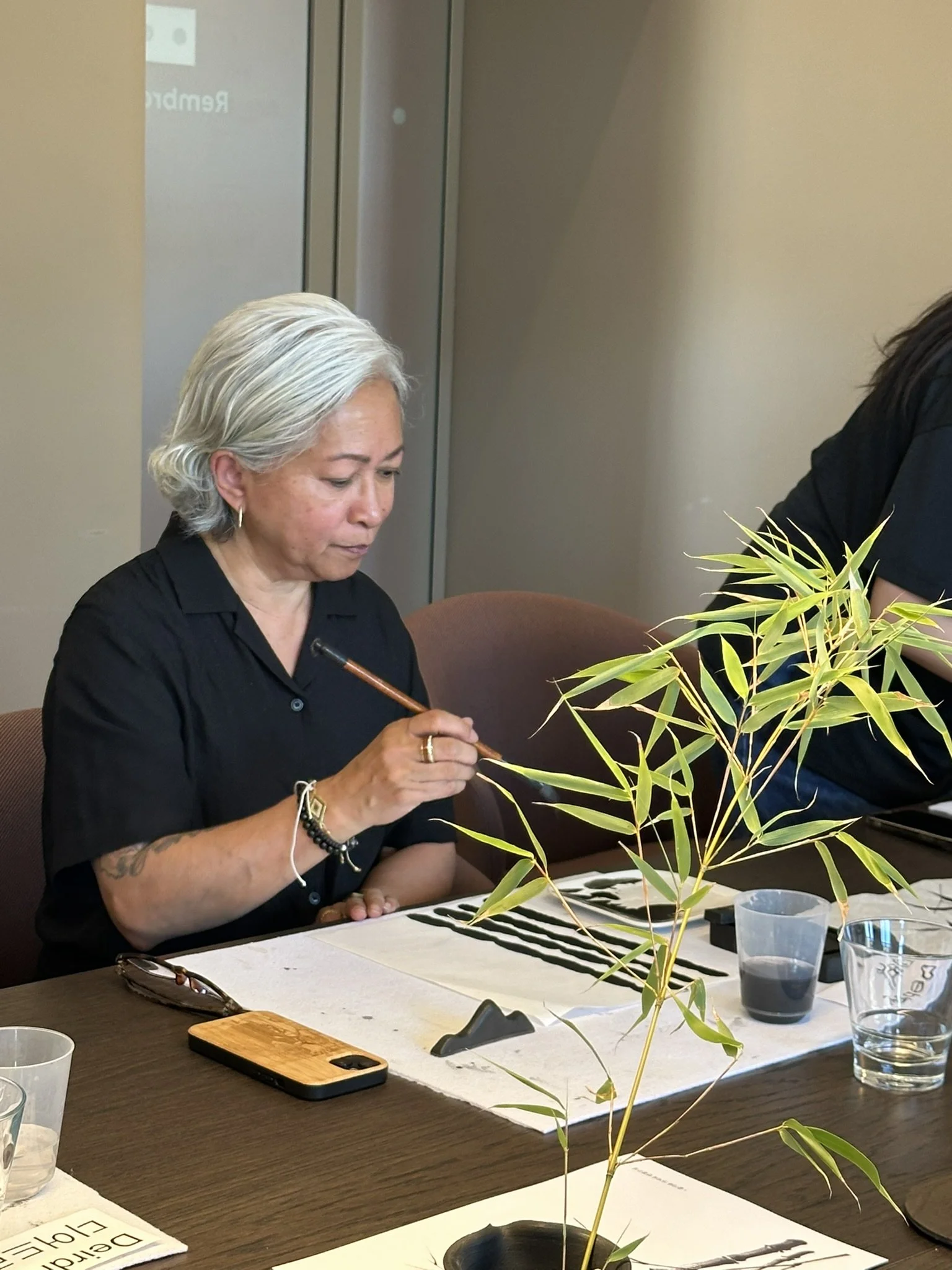
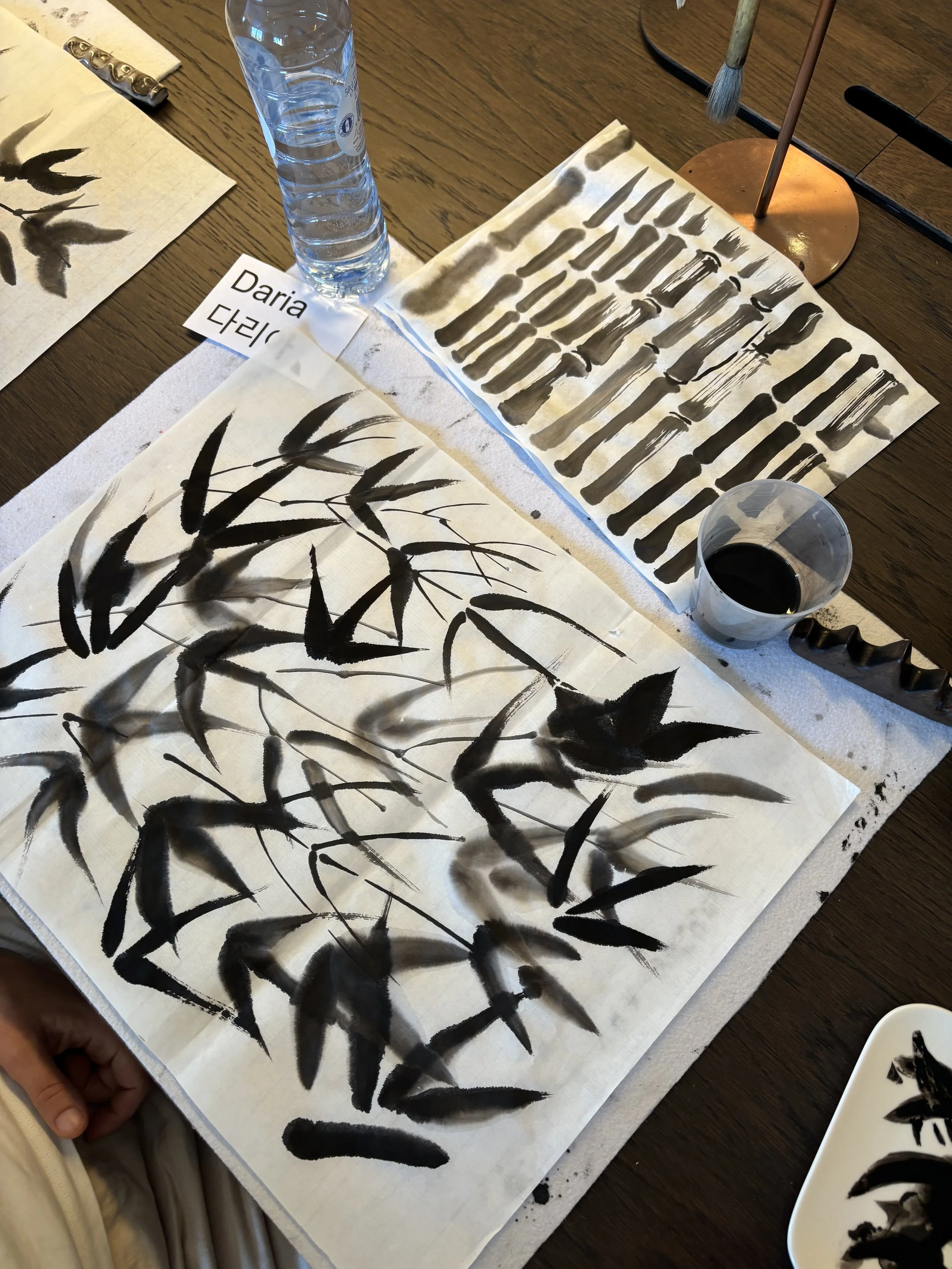
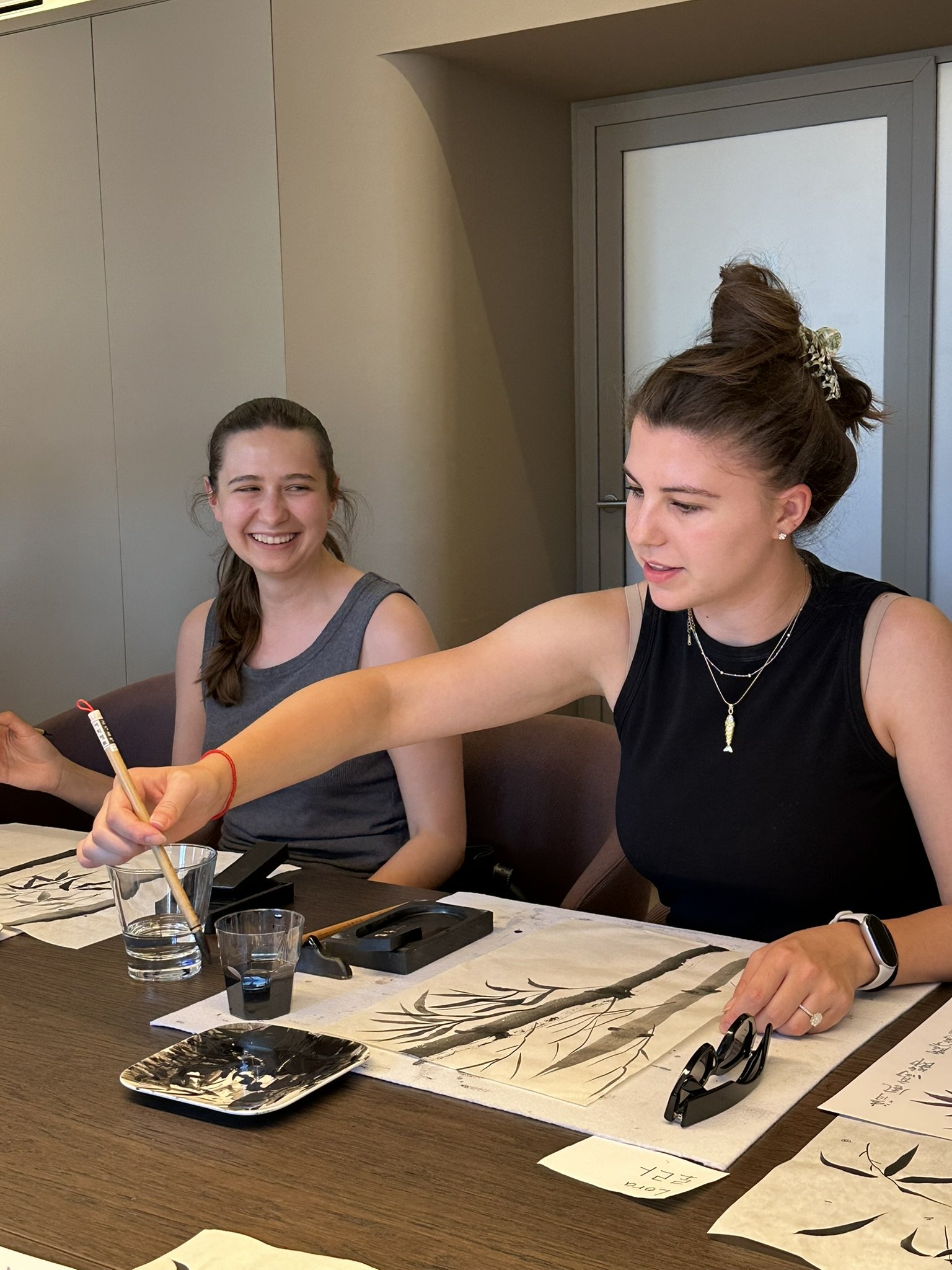
After that, we took a short moment of meditation, then ground the ink together and began painting bamboo. Remarkably, most participants came from different countries, and almost none of them had ever ground ink before — and yet everyone moved into the world of ink painting with such ease and naturalness.
As I often say in my lessons: ink painting isn't about reproducing what's in front of you. It's about taking the energy within what your eyes see and what your heart feels, and leaving its trace using your whole body. I feel truly honored to have been able to share this special way of seeing with everyone in Amsterdam.
And this collaboration with Smart Kollective isn't over yet — there's more to come, so stay tuned!
Interested in New Ink Painting Course Starting in August?→ Check here to explore more.
おそらく、私の墨絵のワークショップを知っている方は、今回アムステルダムで韓国の水墨画のワークショップを行うと聞いて、少し戸惑われたかもしれません。けれども、ご存じの方もいらっしゃるかと思いますが、水墨画はもともと中国を起源とし、そこから韓国と日本それぞれの国で独自に発展してきました。基本の技術は、まず中国の技法を学ぶことから始まります。現代において、古代の水墨画がそれぞれの国、それぞれの人にどのような影響を与えてきたのかは様々ですが、根底にある基本は同じです。ヨーロッパでは分かりやすさのために「中国の水墨画」「韓国の水墨画」「日本の水墨画」と分けて呼ぶことが多いですが、本来、水墨画は水墨画なのです。
今回は、韓国の文化をオランダに紹介しているSmart Kollectiveとのコラボレーションで、韓国の文脈の中で水墨画のワークショップを行いました。場所はアムステルダム、とても賑やかな街です。その中心にある建物の中で、「Ink, Breathe, and Gesture」というワークショップを開催しました。
まずは、Smart Kollectiveの創設者であるBijouによるプレゼンテーションから始まりました。韓国の水墨画の歴史、韓国の紙について、中国・韓国・日本の水墨画の違い、韓国語での道具の呼び方、そして四君子の意味。私一人のワークショップではとてもカバーしきれない内容を、見事にまとめてくださいました。
そのあと、短い瞑想の時間を取り、皆で一緒に墨をすり、竹を描いていきました。参加者のほとんどが異なる国の出身で、墨をすったことがない方ばかりでしたが、それでも皆さん、ごく自然に水墨画の世界へと入り込んでいきました。
私が授業の中で何度もお伝えしていることですが、水墨画とは、目の前にあるものをそのまま再現しようとするのではなく、目に見えたもの、心で感じたものの中にあるエネルギーを、自分の体全体を使って跡として残していくものです。そのような特別な方法を、アムステルダムの皆さんにお伝えできたことを、心より光栄に思っています。
そして、Smart Kollectiveとの今回のワークショップには続きがあります。どうぞ楽しみにしていてください!